What Happens to Your Circulation at 2:07 AM When Your Legs Won't Let You Sleep
You're awake again. Legs throbbing. Feet like ice. That tingling that won't quit. Here's what may be going on with your circulation right now — and why the things you've tried haven't helped much.
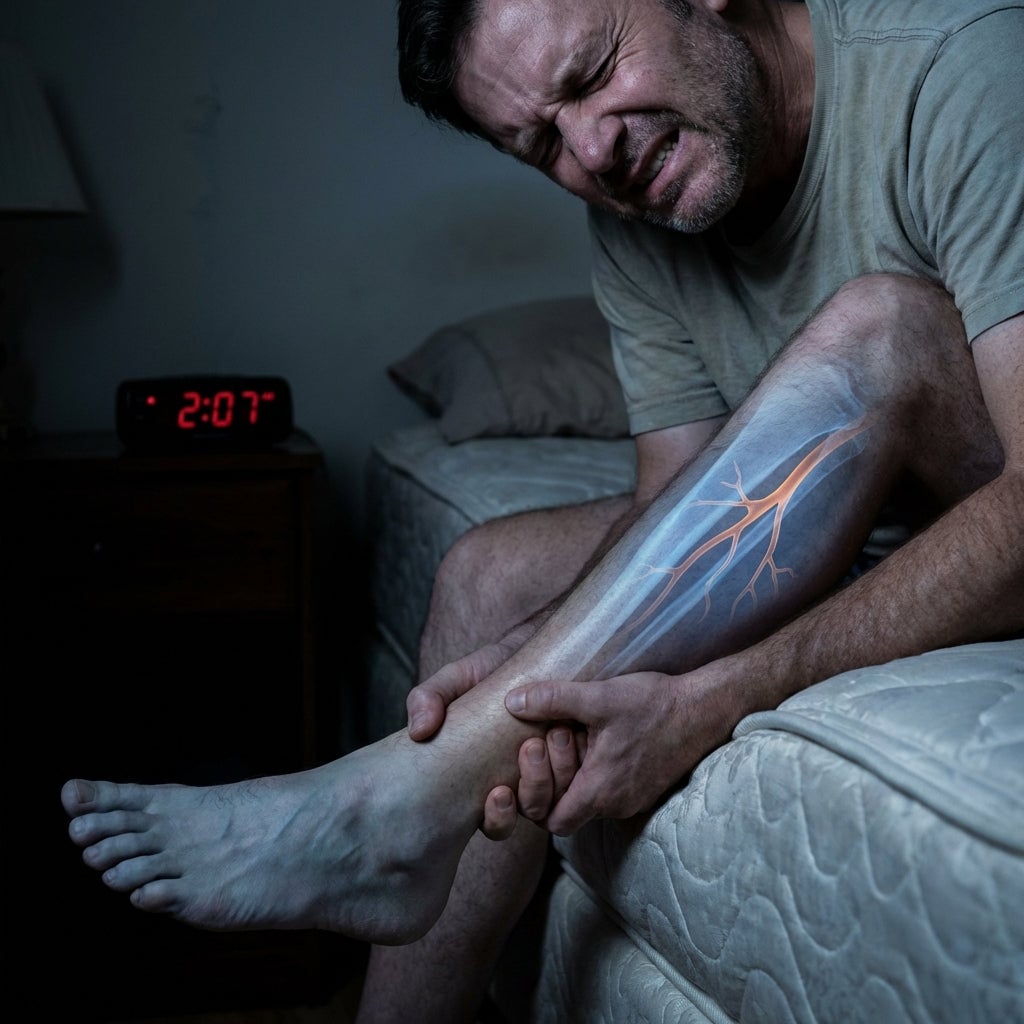
You know the routine.
You get into bed. Pull the covers up. Close your eyes. And for maybe twenty minutes, everything is fine.
Then it starts. The tingling first — in your toes, creeping up to your calves. Then the cold. Not normal cold. The kind of cold that three pairs of socks and an electric blanket can't fix. Cold that comes from inside your body.
You flip over. Stick your legs out. Pull them back in. Get up to walk it off. Sit on the edge of the bed rubbing your calves at 2:07 AM while your partner sleeps and you wonder: is it getting worse?
"I haven't slept through the night in three years. I just accepted this is my life now."— Posted in a circulation support forum, 47 upvotes
It doesn't have to be your life. But to understand why — you need to understand what's happening with your circulation at 2:07 AM. Because nobody has explained this to you properly.
Why It's Always Worse at Night
During the day, gravity helps. You're upright. Your heart is pumping harder. You're moving — even a little — and that movement helps push blood all the way to your feet.
At night, all of that stops.
When you lie flat, your heart rate drops. Your blood pressure drops. And circulation that was already sluggish on the way to your extremities — now has even less force behind it.
Your feet go cold because less warm blood is reaching them. Your legs feel heavy and restless, with occasional tingling or night cramps. That's your body asking for better circulation.
"I've been to the doctor three times. Everything checks out fine. But my legs still feel cold and heavy every single night."— Circulation forum, 23 upvotes
Keep working with your doctor — that matters. But plenty of people get a clean bill of health and still deal with cold feet, heavy legs, and restless nights. They're in the gap between "nothing's wrong" and "I just don't feel great."
That gap is where this article lives.
Why Everything You've Tried Has Failed
Let's be honest about what you've already done. You're not lazy. You're not stupid. You've tried.
"He has tried every cream known to man, compression socks, heating pads. Nothing keeps his feet warm."— Wife posting about husband's leg circulation, 31 upvotes
Here's why none of it worked: every one of those approaches only works at the surface. Cold feet, so warm them. Heavy legs, so squeeze them.
None of them support what's happening inside your blood vessels.
That's the problem. And it's where nature's oldest circulation spice comes in.
The 5 Stages of Sluggish Circulation
Cold feet and heavy legs don't appear overnight. They tend to creep in gradually. And each stage has a telltale sign that's easy to brush off.
Moving from Stage 3 to Stage 5 is not inevitable. But it's easy to drift there.
Without a daily habit that supports your circulation, it's easy to just put up with it. What you feel at 2:07 AM is your body asking for a little more support.
"I wish someone had told me five years ago what was actually happening. I just thought I was getting old."— Circulation forum, 52 upvotes
What if you could support healthy circulation — blood flow, flexible blood vessels, and everyday comfort — with one capsule you take in 10 seconds?
🔒 Support Your Circulation – Buy 1 Get 1 Free🛡️ 120-day money-back guarantee
The TRPV1 Discovery That Changed Everything
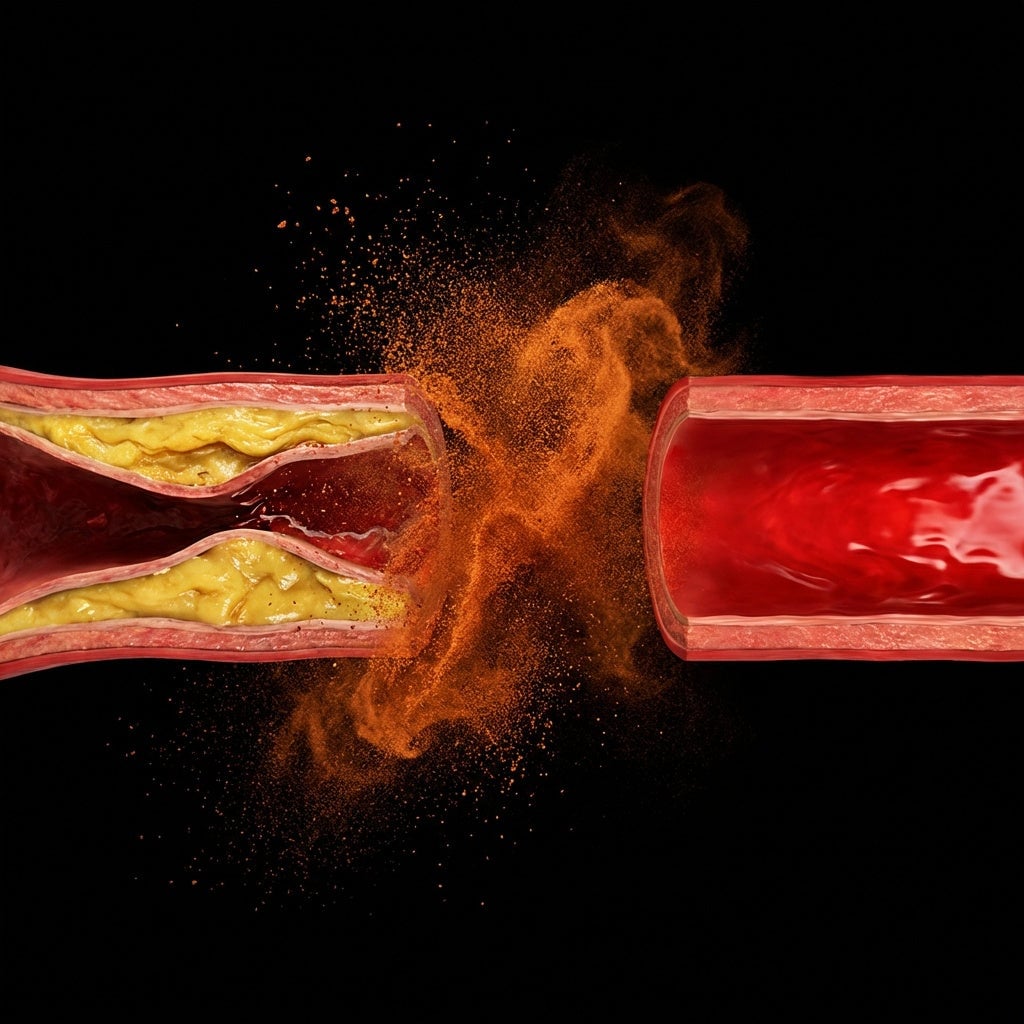
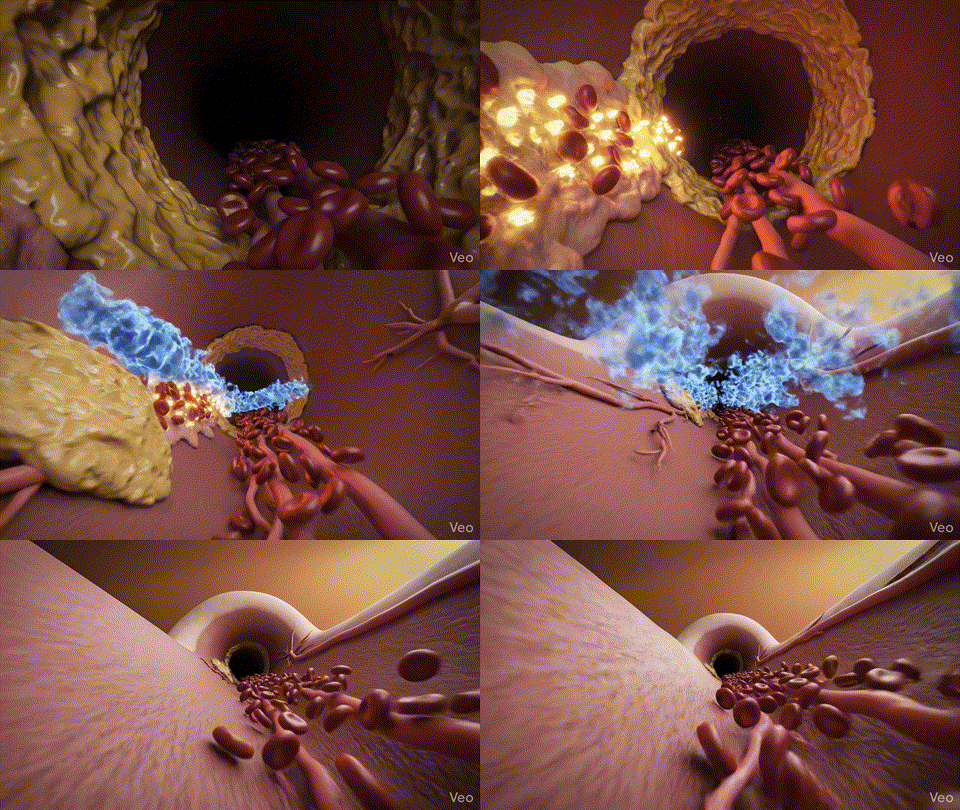
Throughout your body — including the blood vessels that carry warmth to your feet — there are receptors called TRPV1.
They were discovered in 1997. And for years, nobody understood what they were for. They just sat there. Dormant. Waiting.
Then researchers found the trigger: capsaicin. The active compound in cayenne pepper.
When capsaicin binds to a TRPV1 receptor, it plays a role in nitric oxide signalling — the molecule that helps blood vessels relax. That's why cayenne is a classic choice for supporting healthy blood flow. The 2021 Nobel Prize in Physiology or Medicine recognised the discovery of TRPV1, the receptor capsaicin activates.
That's cayenne on its own. But what happens when you combine it with 6 other compounds — each supporting a different part of healthy circulation?
That's where this gets interesting.
The 7-Compound Formula That Supports Every Stage
① Cayenne Pepper — activates TRPV1 receptors → supports nitric oxide signalling → supports healthy blood flow. Also provides antioxidant support.
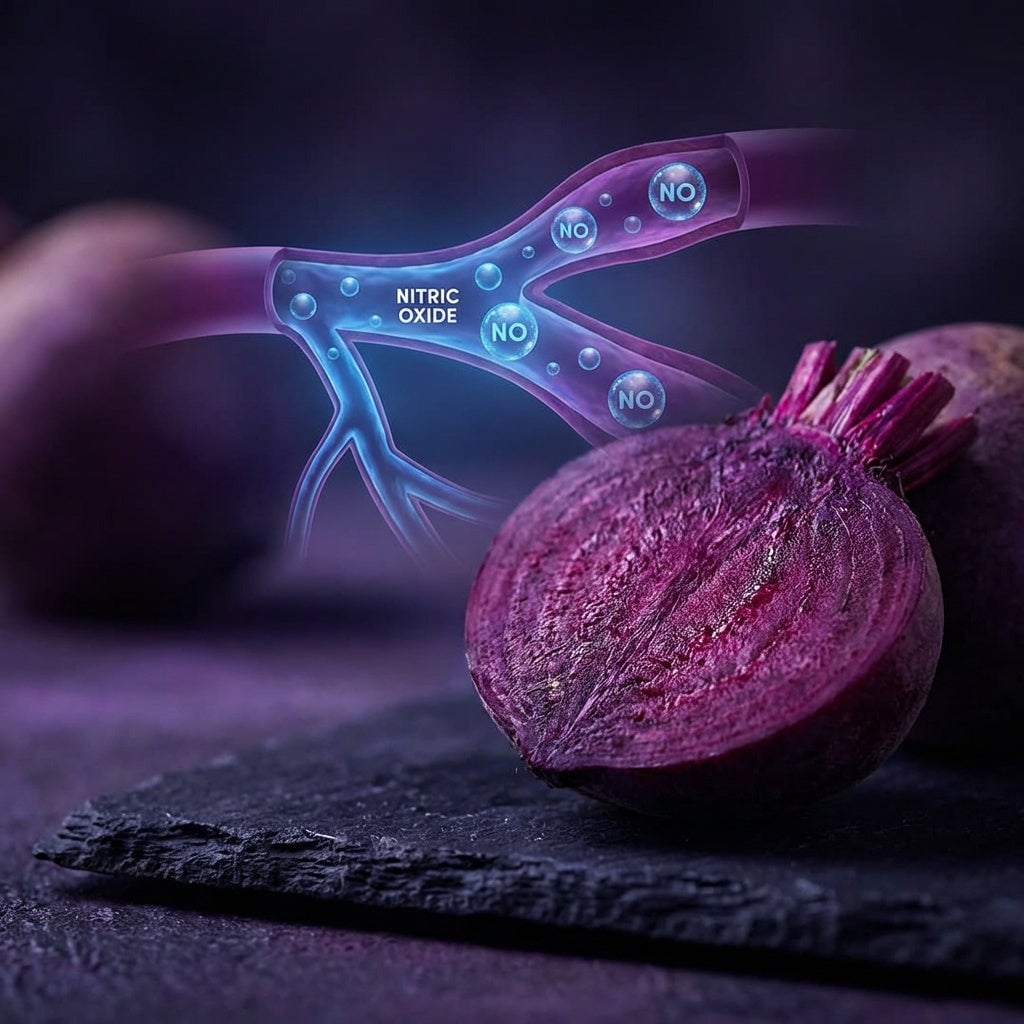
② Beetroot — activates the second nitric oxide pathway (nitrate-nitrite-NO). Cayenne supports one pathway. Beetroot supports a completely different one. Two independent routes to healthy blood flow.
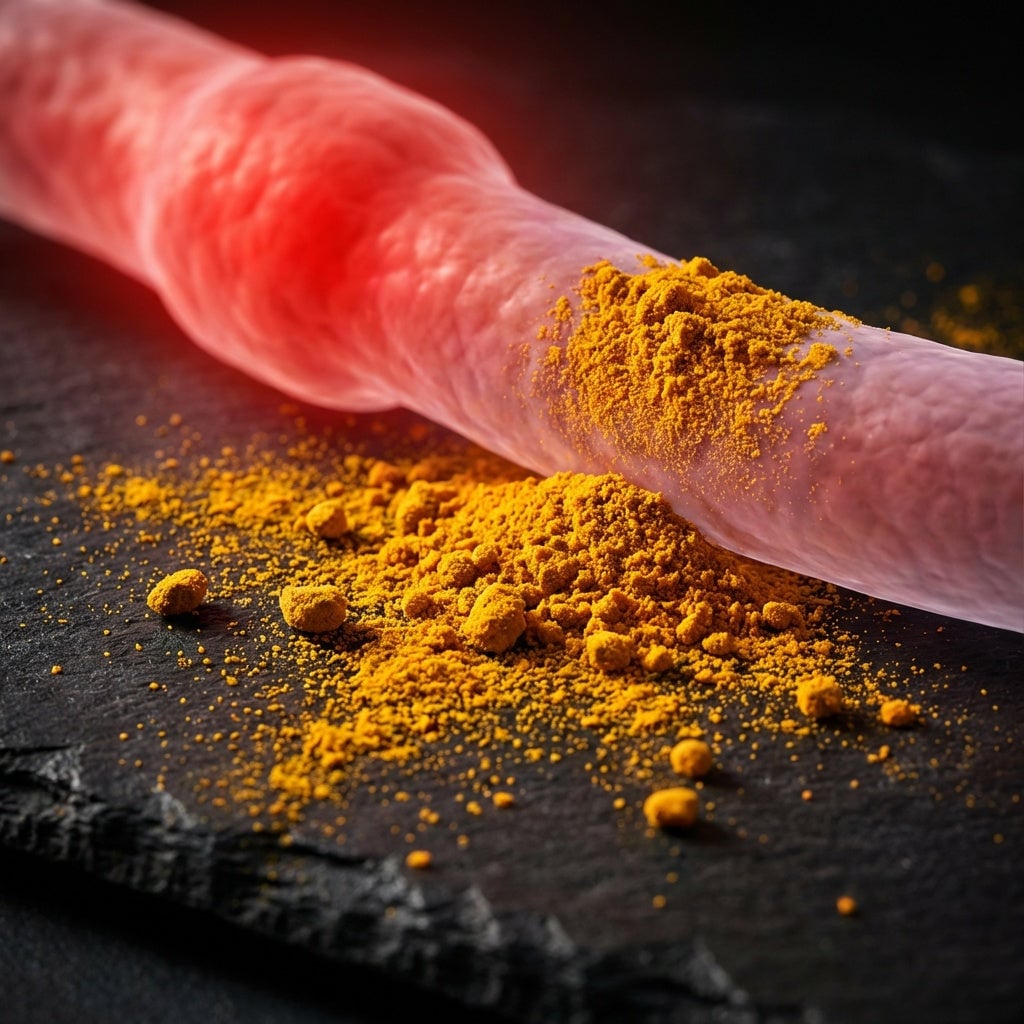
③ Turmeric — a time-honoured spice for everyday comfort. Curcumin supports a healthy inflammatory response and provides antioxidant support for your blood vessels.
④ Black Pepper — helps your body absorb curcumin. Without it, turmeric is poorly absorbed. With it, you get more out of every softgel.
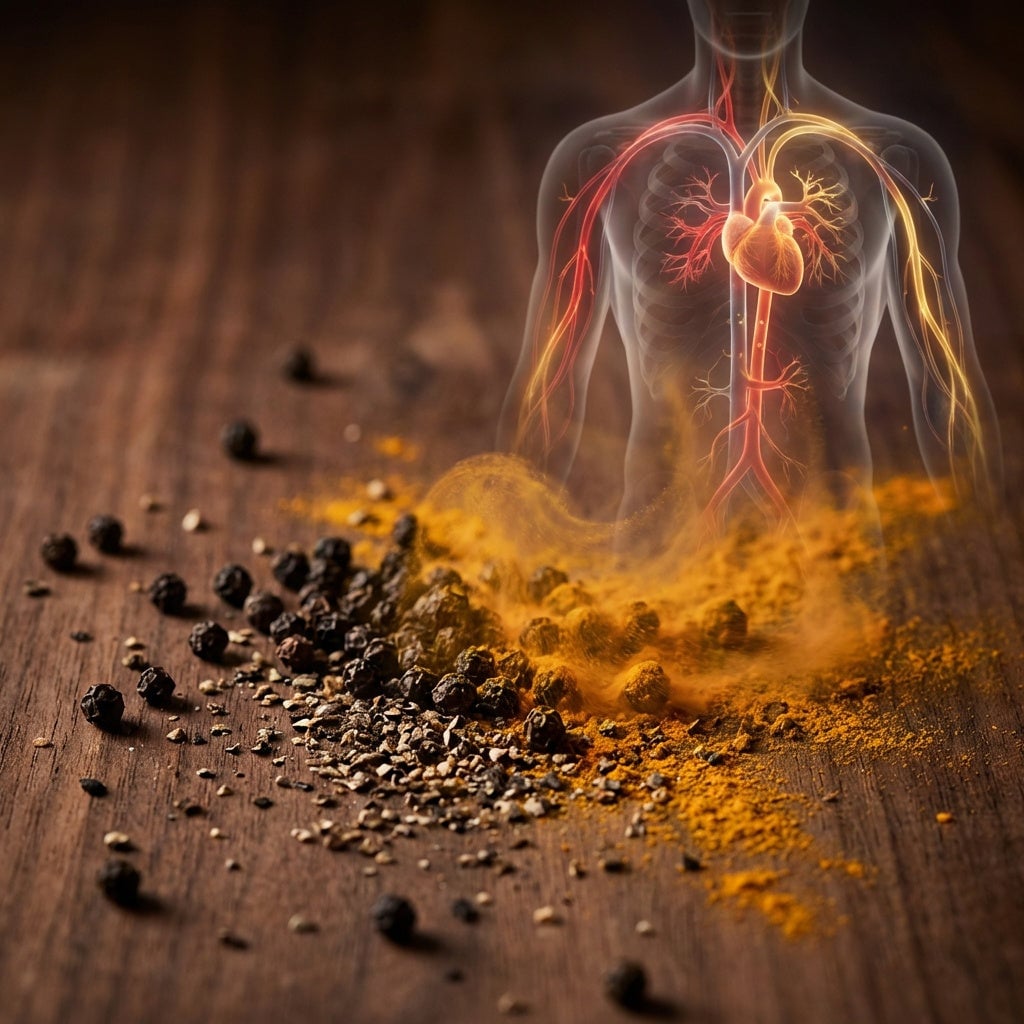
All 7 circulation-supporting compounds — plus 5 bonus ingredients that round out the formula.
One capsule. Full-spectrum support. 10 seconds a day.
🛡️ 120-day guarantee — sleep through the night again or your money back
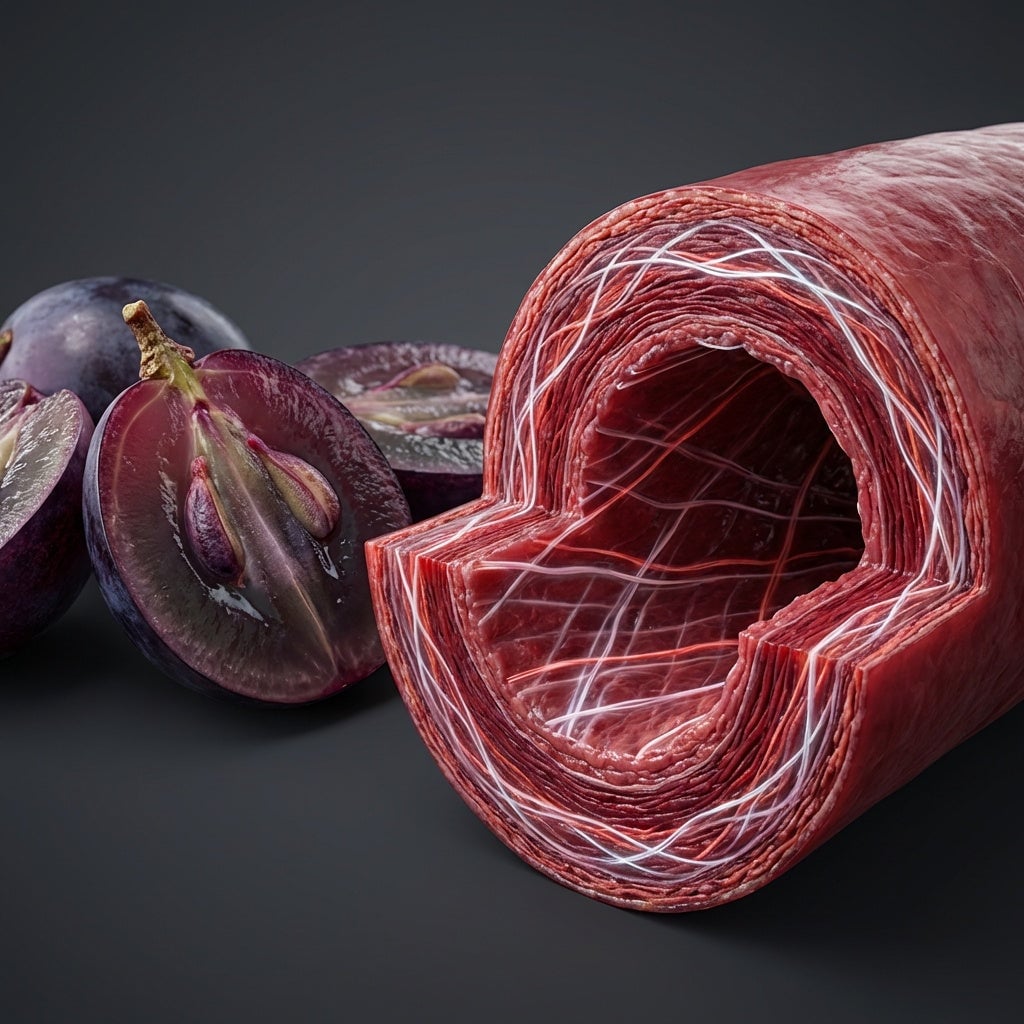
⑤ Grape Seed Extract — rich in antioxidants that support healthy collagen and flexible blood vessel walls. Also supports healthy blood pressure levels already within normal range.
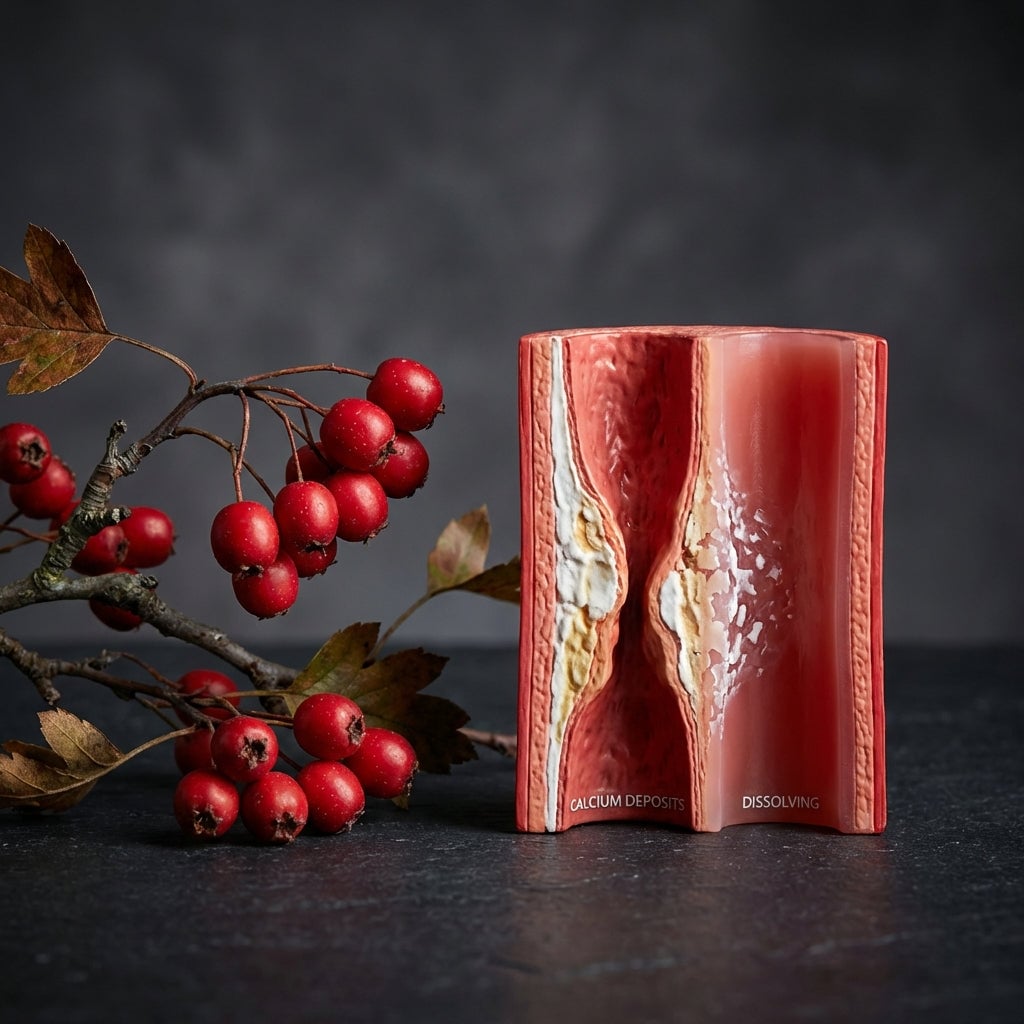
⑥ Hawthorn Berry — a traditional heart-health botanical that supports healthy heart function and circulation.
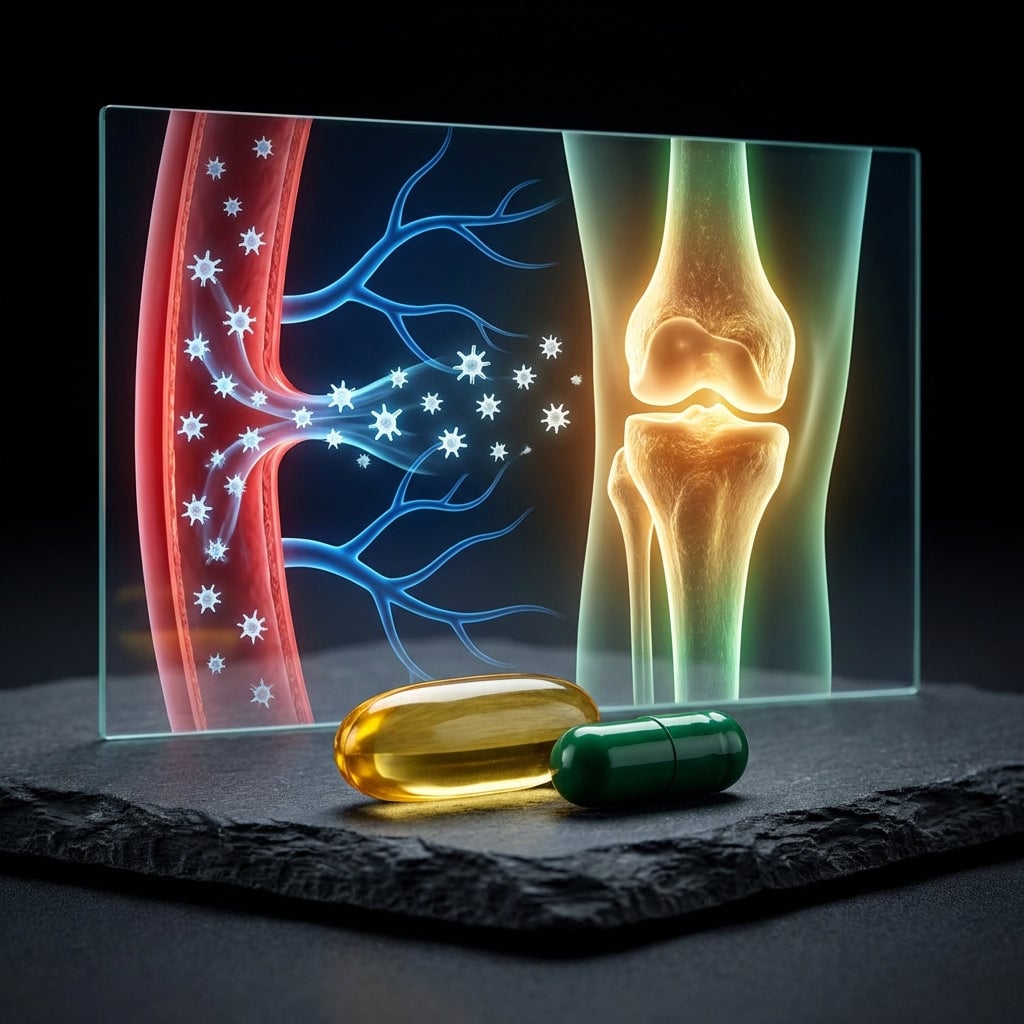
⑦ Vitamin D3 + K2 — the calcium-balance duo. D3 helps your body absorb calcium. K2 activates Matrix GLA Protein, which helps direct calcium to your bones, where it belongs. That's why they're paired together.
The Catch — And the Solution
You're not going to eat cayenne, raw beets, fresh turmeric with black pepper, chewed grape seeds, hawthorn berries, and K2-rich fermented foods every single day.
You know it. I know it.
You'll do it for a week. Maybe two. Then a Wednesday will come when you're exhausted and the beets aren't prepped and the turmeric stained your counter and you think "I'll get back to it tomorrow."
Tomorrow becomes next week. Next week becomes never. And in three months you're back on the edge of the bed at 2:07 AM, rubbing your calves, wondering why nothing ever works.
"I wish there was an easier fix. I've tried so many things. I just don't have the energy to keep experimenting."— Circulation forum, 47 upvotes
There is an easier fix. All 7 compounds — plus 5 additional circulation-supporting ingredients — concentrated into a single softgel capsule that takes 10 seconds to swallow.
No preparation. No taste. No turmeric stains. No guessing at doses. Every pathway supported. Every morning.
GetJacked 12-in-1 Cayenne Softgels
Tonight at 2:07 AM, one of two things will happen.
You'll be awake again — same burning, same tingling, same cold — wondering if it'll ever stop.
Or you'll be asleep.