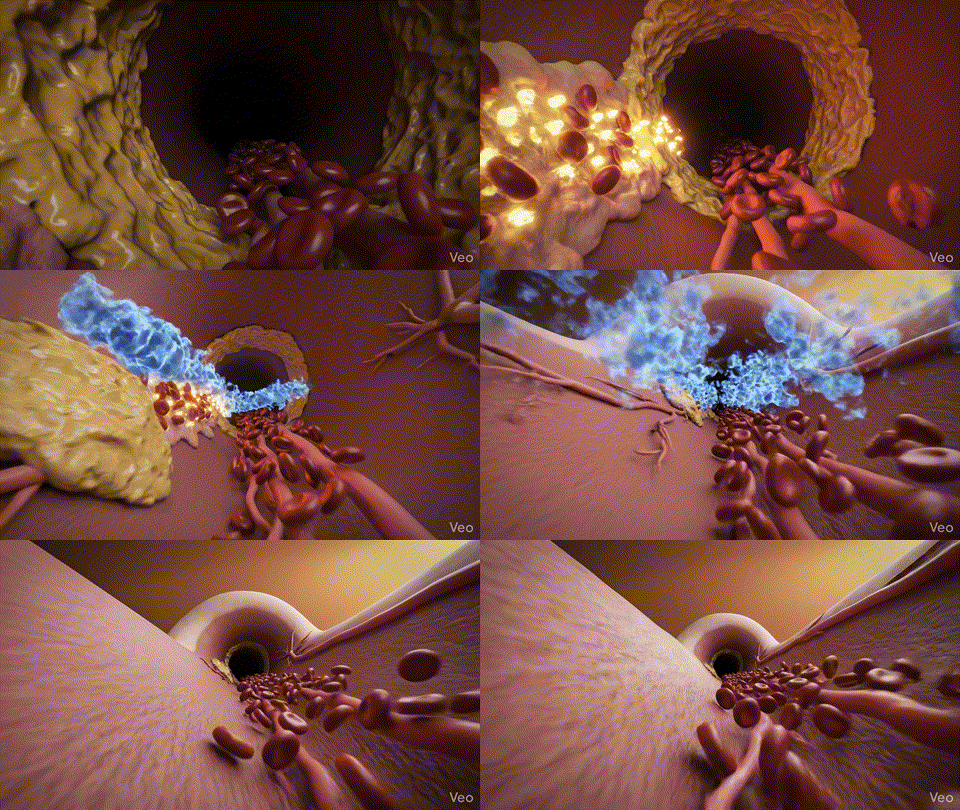
7 Foods That Love Your Arteries
Most people don't realize how much everyday foods can do to support healthy, flexible arteries. Each one supports your circulation through a different mechanism.

"If we could add one spice to every kitchen, it would be cayenne." — Here's what the research says about 7 foods that support healthy arteries and circulation.
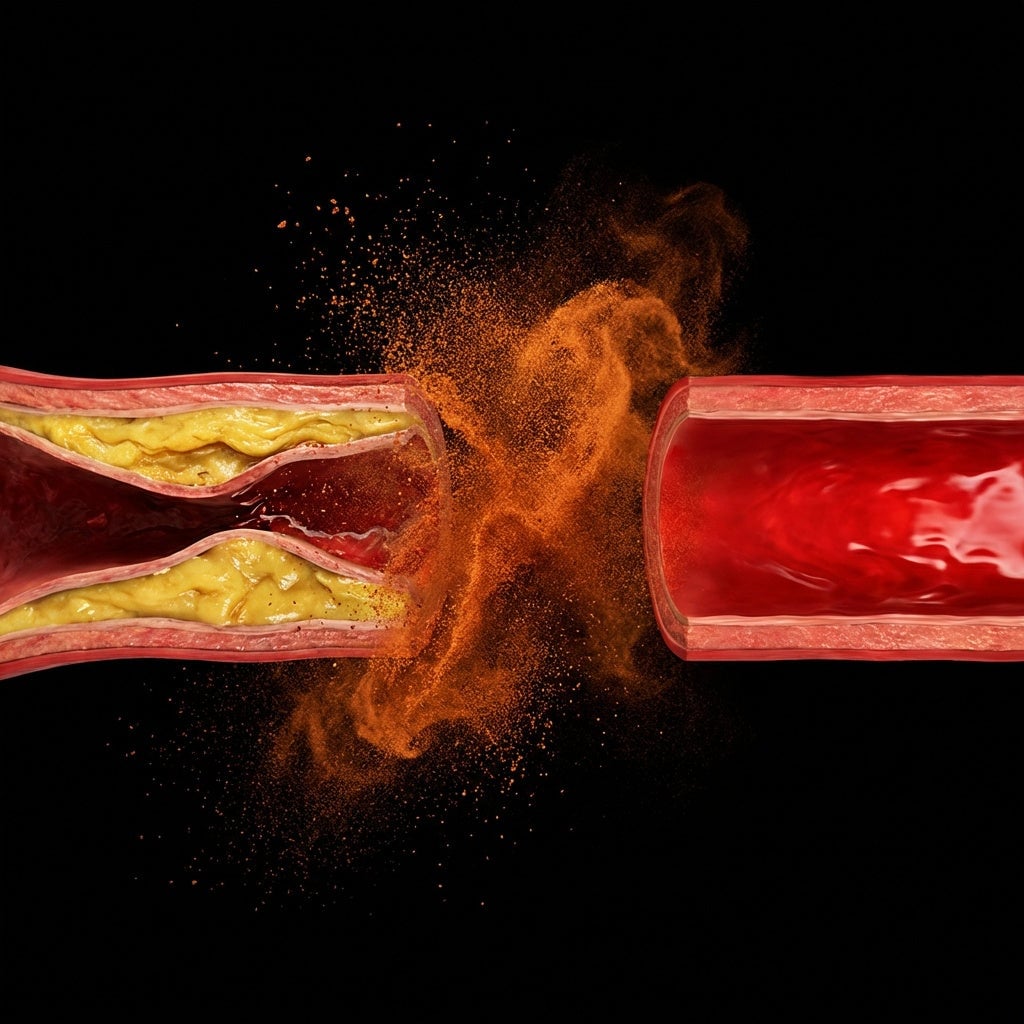
The capsaicin in cayenne pepper activates TRPV1 receptors on the inner lining of your blood vessels. When those receptors fire, your endothelial cells release a surge of nitric oxide — the molecule that helps your blood vessels relax.
Cayenne does two things simultaneously. It supports healthy blood flow right now, and its antioxidant activity supports healthy arteries over time by helping protect LDL cholesterol already within normal range from oxidation.

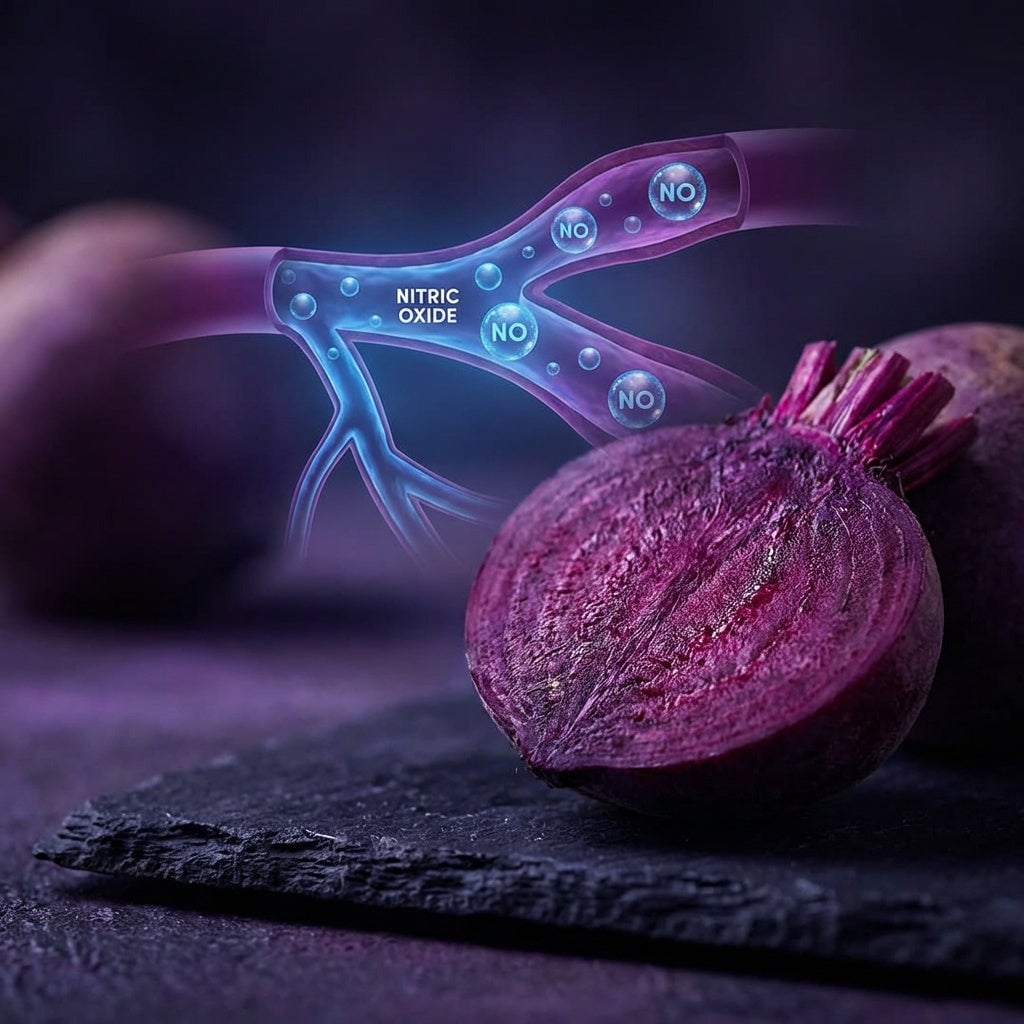
Most people who learn about nitric oxide stop at cayenne. That's a mistake.
Your body produces nitric oxide through two completely separate pathways. Cayenne activates one. Beetroot activates the other. Beets are loaded with dietary nitrates, which convert into nitric oxide through the nitrate-nitrite-NO pathway — entirely independent from TRPV1.
When you combine beets and cayenne, you're not getting a little more nitric oxide. You're activating two separate production systems at the same time. Beets also support arterial flexibility and help protect the endothelial lining from oxidative stress.
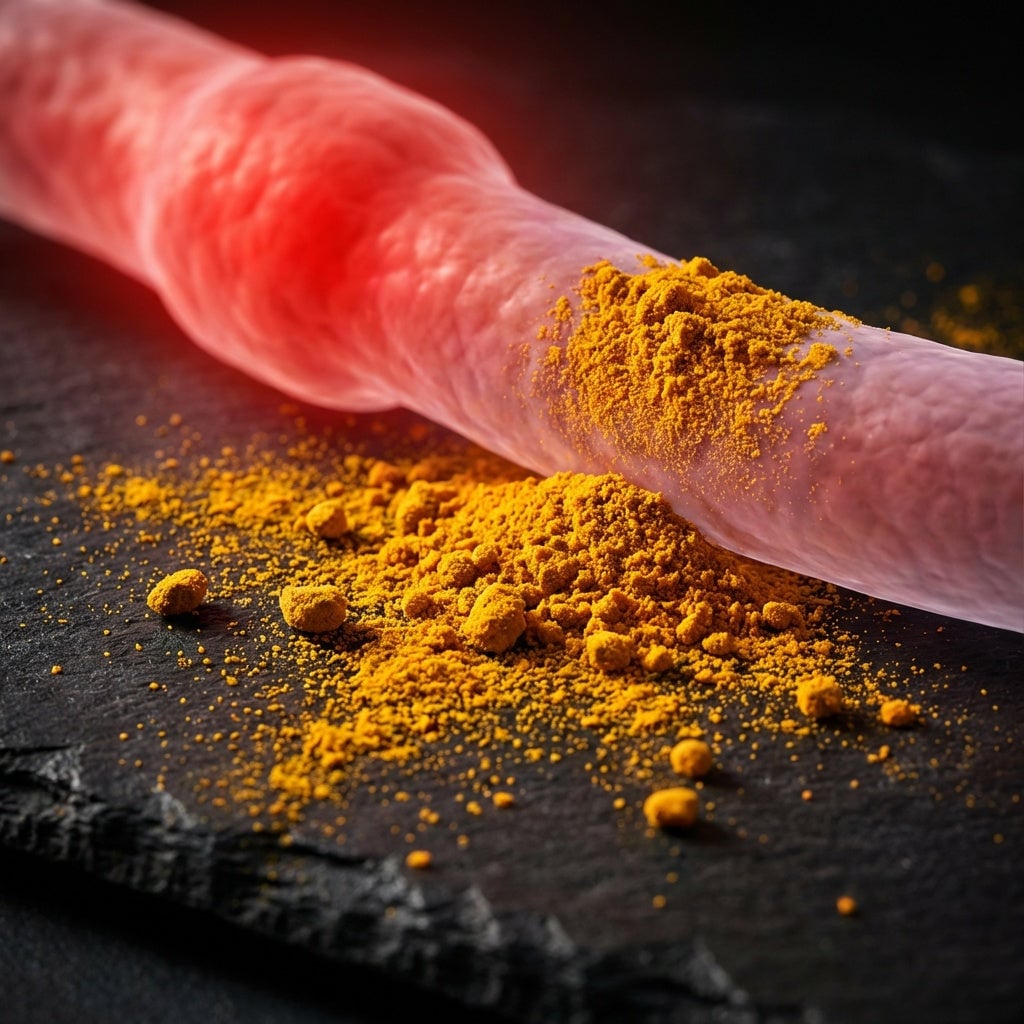
Healthy arteries depend on a healthy inflammatory response. Curcumin has been studied for how it interacts with the NF-kB pathway, part of the body's normal inflammatory signaling.
Turmeric also supports healthy glucose metabolism. Healthy metabolism and healthy arteries go hand in hand, which makes curcumin a smart everyday addition to a heart-healthy routine.
Don't want to juggle 7 different foods every day?
Get all 7 plus 5 bonus compounds in 1 capsule.
🛡️ 120-day money-back guarantee
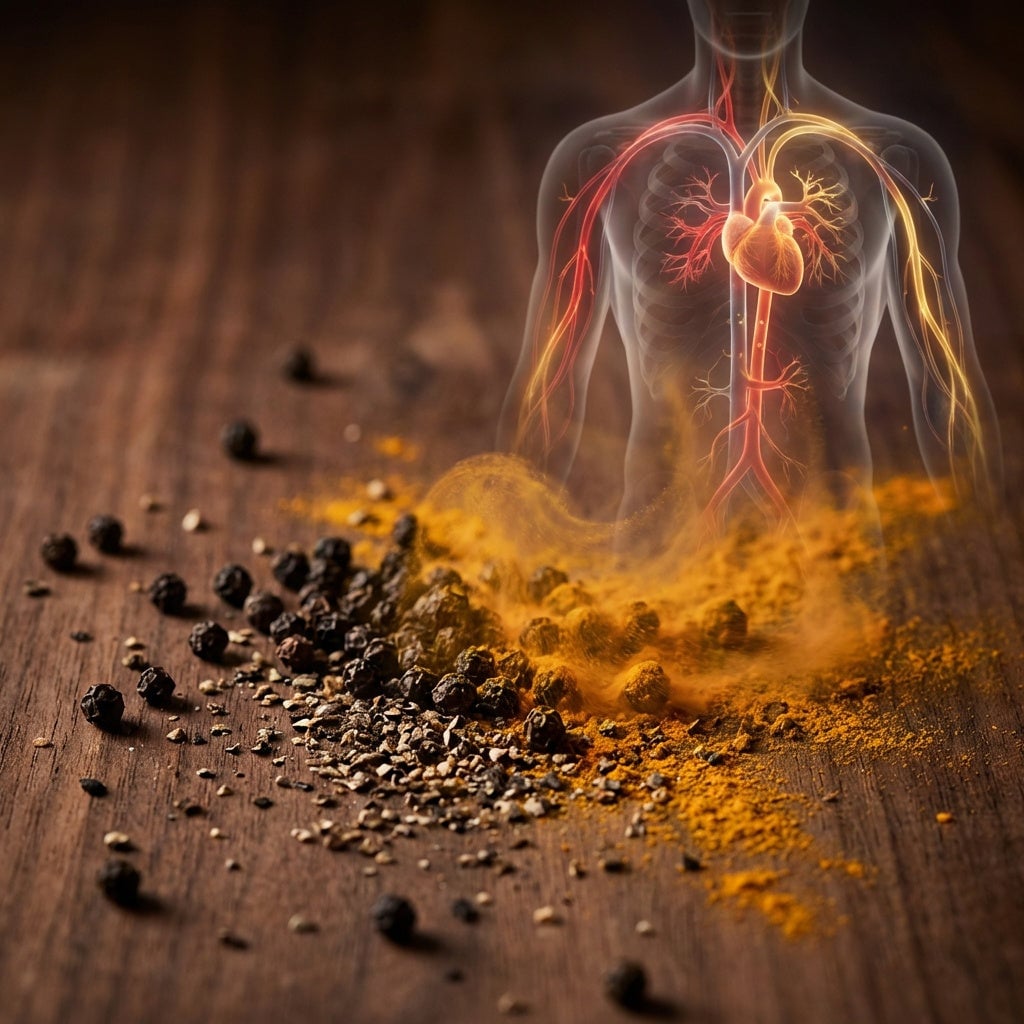
Black pepper doesn't get the attention it deserves. The piperine in black pepper dramatically increases the bioavailability of curcumin. That's why they belong together.
Without piperine, your gut barely absorbs turmeric's active compounds — most passes straight through. With piperine present, curcumin actually reaches your bloodstream in meaningful concentrations.
Piperine enhances the absorption of virtually every other compound it's paired with — including the polyphenols in grape seed extract and the capsaicin in cayenne. It doesn't just help one ingredient. It helps your whole routine work harder.

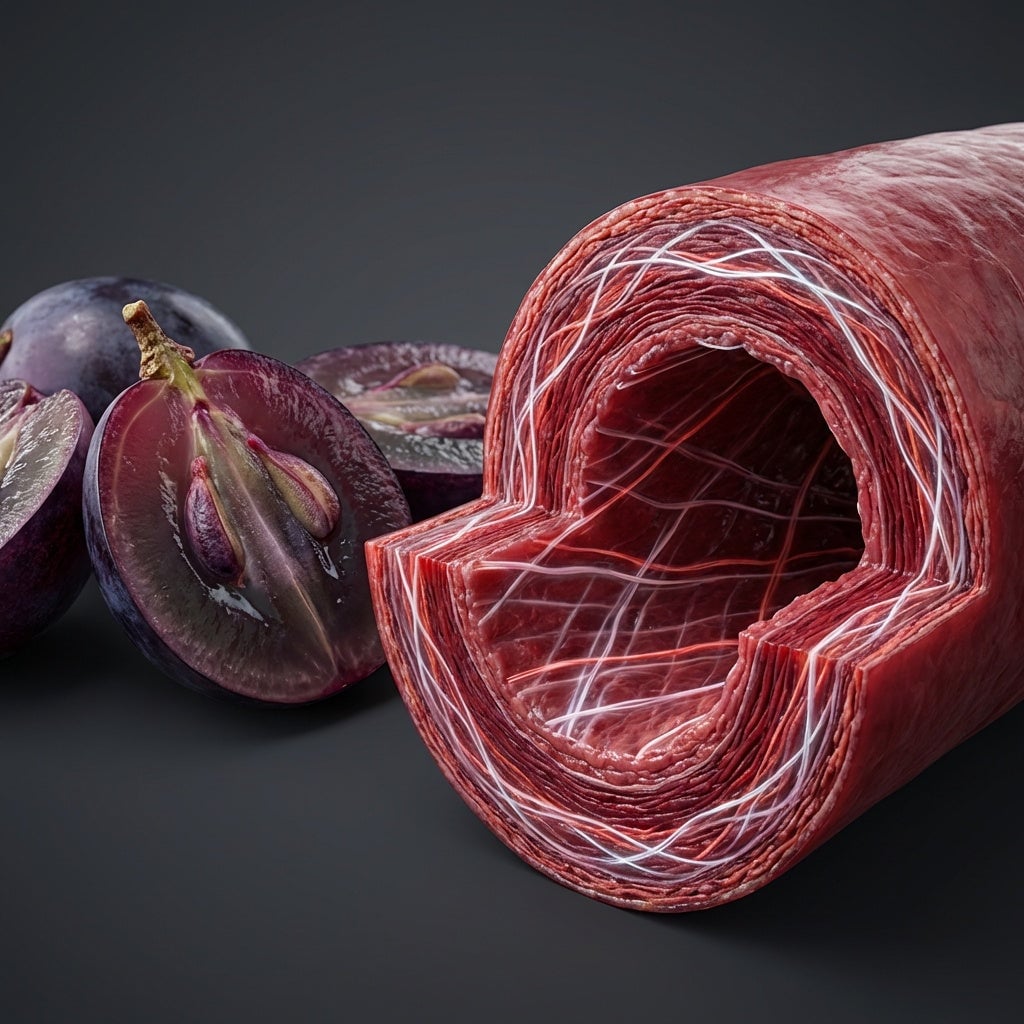
The OPCs in grape seeds do something the other compounds on this list don't: they support the structure of healthy blood vessel walls. They support collagen cross-linking, which helps vessel walls stay flexible and elastic.
Grape seed polyphenols support healthy blood pressure levels already within normal range and healthy circulation. Taking a blood thinner or blood pressure medication? Talk to your doctor before adding grape seed or any new supplement.
All 7 artery-loving foods + 5 bonus compounds.
Imagine warm, healthy blood flow to your feet, legs, and hands every day.
🛡️ 120-day money-back guarantee — love it or your money back
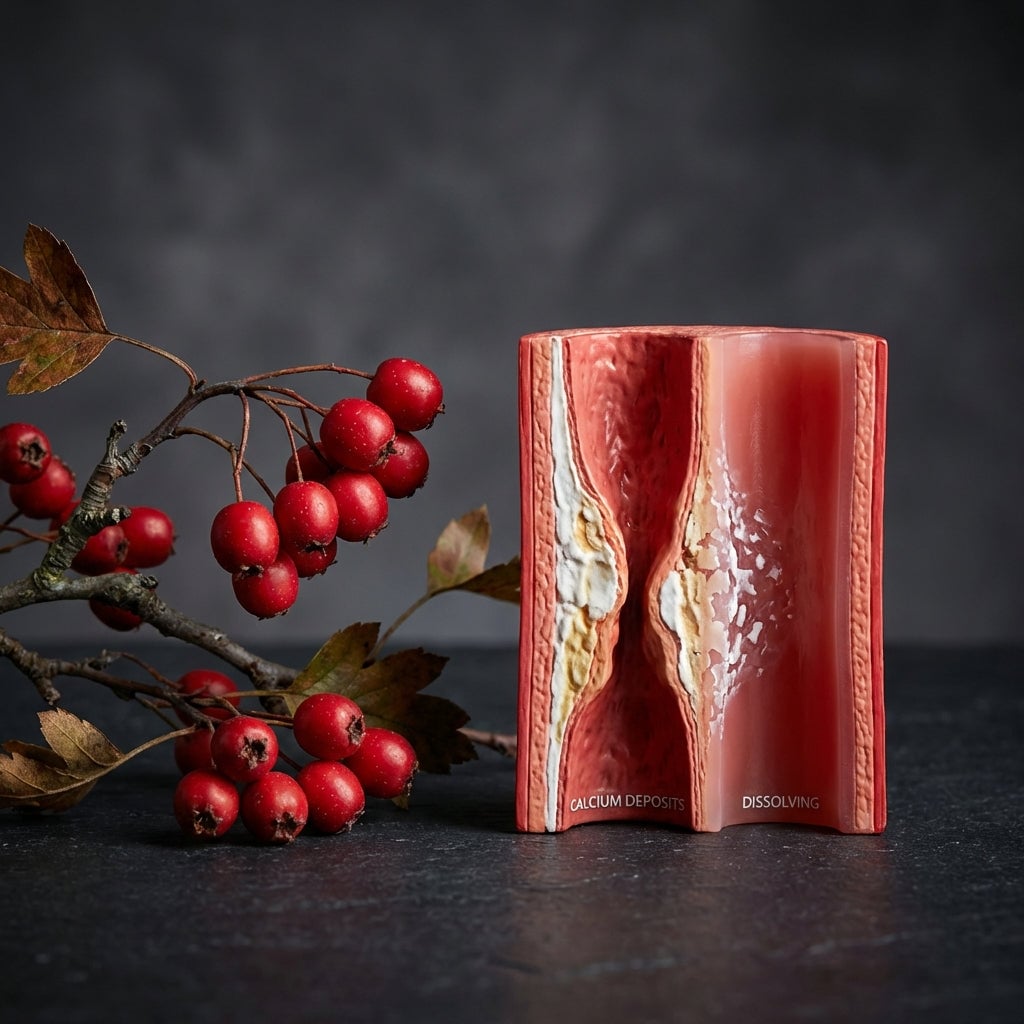
Hawthorn has been used in traditional herbal practice for centuries. Its flavonoids support healthy artery walls and normal heart function.
But the real reason hawthorn is on this list: its role in healthy calcium balance — helping your body keep calcium where it belongs.
Hawthorn supports the biochemical signaling that keeps calcium in your bones — where it belongs — rather than allowing it to settle into artery walls. It works through complementary mechanisms with Vitamin D3 and K2.
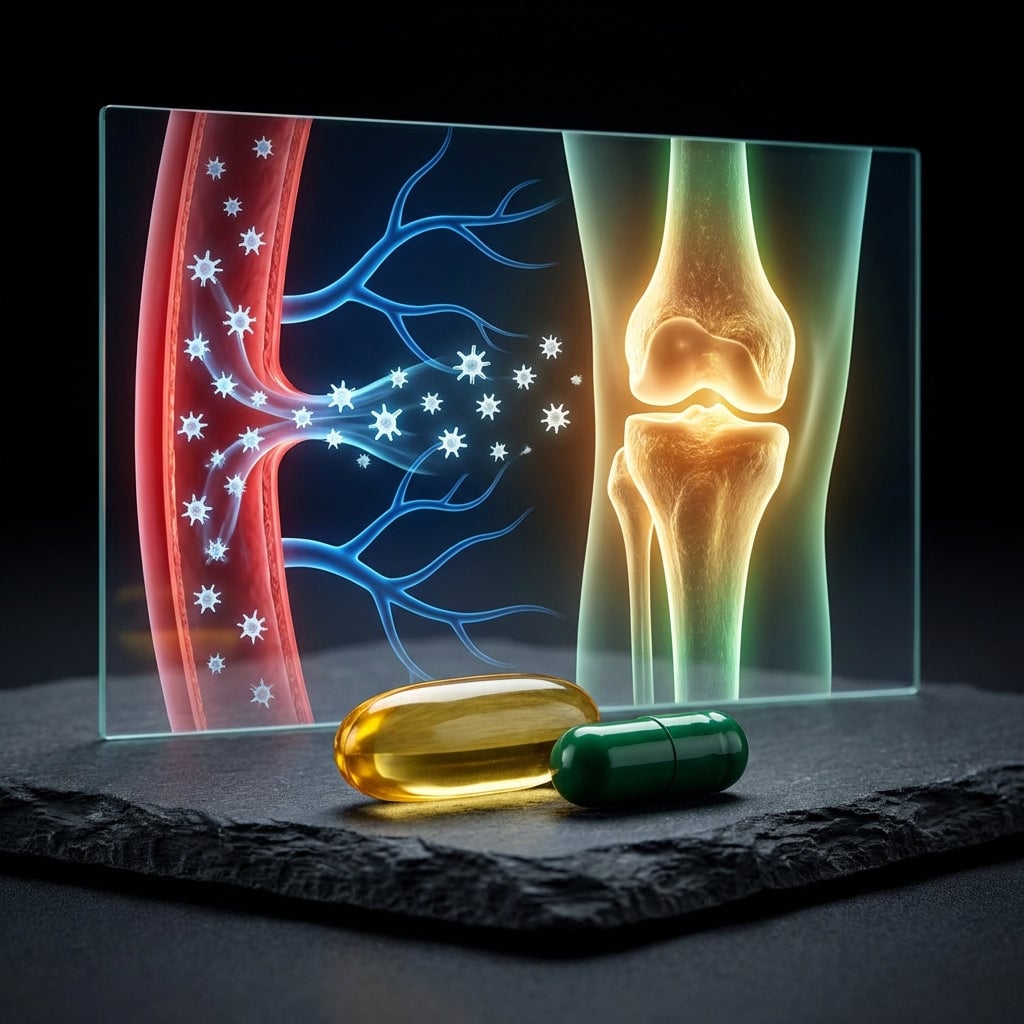
This is the combination most people — including many physicians — still don't understand. D3 is essential for calcium absorption. But once calcium is in your blood, your body needs instructions on where to put it.
That's where K2 comes in. K2 activates Matrix GLA Protein (MGP) — a key part of how your body directs calcium. K2 helps route calcium to your bones, where it belongs, and supports healthy arteries.
D3 helps you absorb calcium. K2 helps put it in the right place. That's why so many people choose to take them together, as a team that supports healthy bones and healthy arteries.
The problem with doing this through diet alone
Every one of these foods has earned its place. But getting meaningful amounts of all seven through food alone is extraordinarily difficult.
You'd need to eat cayenne, fresh turmeric with black pepper, whole beets, chewed grape seeds, hawthorn berries, and specific K2-rich fermented foods — every single day, in sufficient quantities, in the right combinations for absorption.
Most people do it for a week. Maybe two. Then life gets in the way.
GetJacked 12-in-1 Cayenne Softgels